

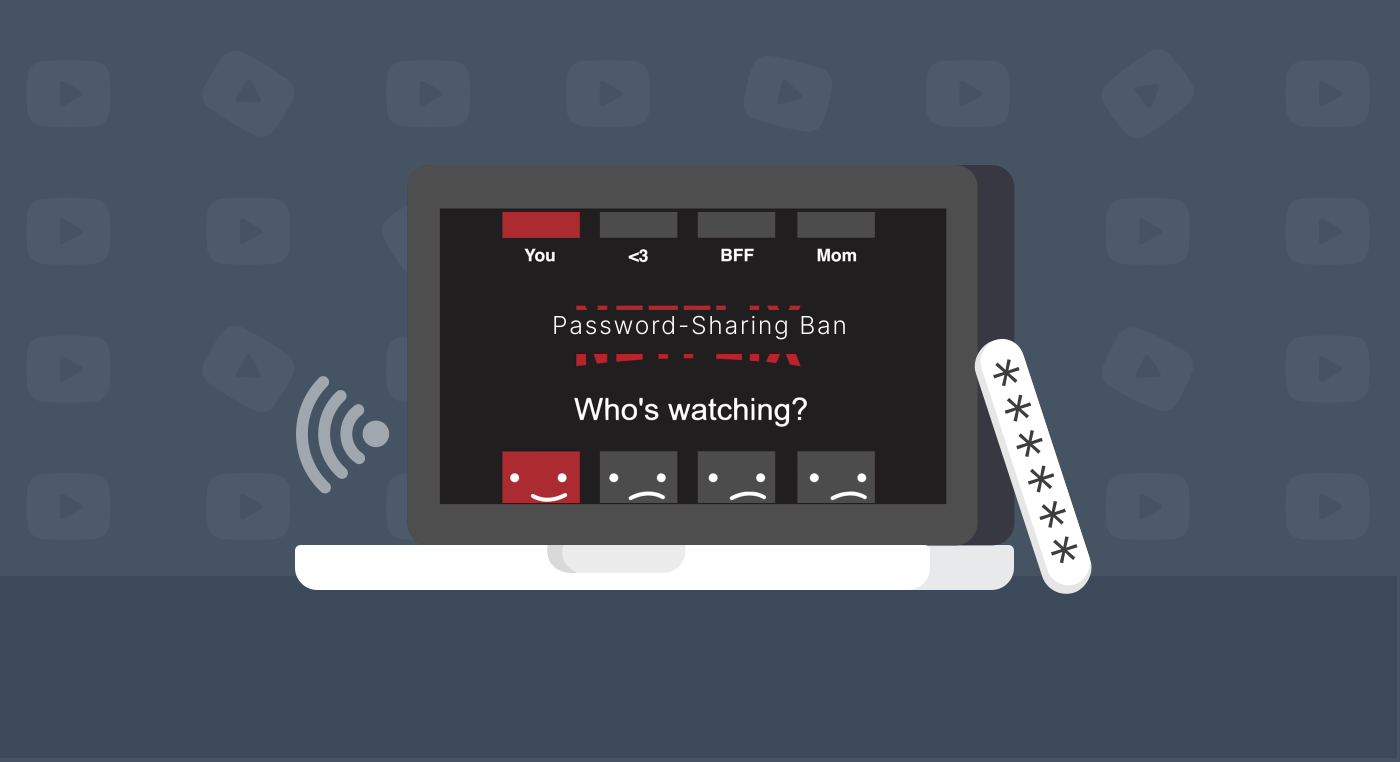
Netflix password-sharing ban was disappointing. Many people who shared their friends’ or family’s accounts have lost access to the streaming site. From college students borrowing their parents’ accounts to friends splitting subscription costs, this change has left many scrambling for solutions. Are you one of those? Don’t fret. We have good news: The ban isn’t the end of shared streaming.
Do you want to know how to bypass the Netflix password sharing restrictions? Keep reading to learn how the Netflix password-sharing ban works and how you can navigate around it.
How to Bypass the Netflix Password-Sharing Ban Using a VPN: Quick Guide
A VPN can help you bypass Netflix’s password-sharing restrictions. Here’s how you can do it:
- Visit ExtremeVPN’s pricing page and sign up to enjoy protected and uninterrupted streaming.
- Download the app on devices you intend to stream on. We offer apps for all operating systems, such as Windows, iOS, Android, and macOS.
- Connect to a server in the exact geographic location as the primary Wi-Fi.
- Visit Netflix and watch your favorite shows without any restrictions.
How Does the Netflix Password Sharing Ban Work?
Before Netflix placed the password-sharing ban, people were able to share their accounts with their friends and family, no matter where they are. But with the new policy, you can only use an account on one to four streaming devices or smart TVs simultaneously. Plus, there’s also a catch. All the devices should be in the same house.
If you want to share your Netflix account password with someone outside your household, you will have to pay an additional $7.99 monthly payment per user. You must be wondering how Netflix can know whether you’re in the same house with the person you are sharing your password with. The answer is simple. The streaming platform tracks your digital footprints to identify your location.
Besides this, it also keeps an eye on other details, such as your account’s activities, location, IP address, and device ID. It collects information through this and can tell when a user shares their password with someone outside their household. If multiple logins occur from locations outside the primary household, Netflix flags the account and displays a prompt asking for verification or an extra fee for additional users.
As Netflix collects much of your personal information when you use its services, it’s crucial to use a VPN to maintain your online privacy.
Why is Netflix Limiting Password-sharing?
The company has its financial, strategic, and operational reasons for doing so. Since many different users were using a single Netflix account, it was affecting the company’s revenue. From a long time, Netflix has struggled to grow while staying atop the competition.
For instance, the site has estimated that more than 100 million households globally share their accounts. Hence, it imposed the ban to convert freeloaders into paying subscribers.
Plus, there are operational reasons. As production costs continue to rise, the website requires more paying customers in order to justify its budget and satisfy investors. Netflix spends a lot on producing its original content. After all, high-quality content is not cheap to produce. In 2025 alone, the company spent over $18 billion, and in i’s expected to increase to up to $20 billion in 2026.
How to Bypass the Password Sharing Ban on Netflix
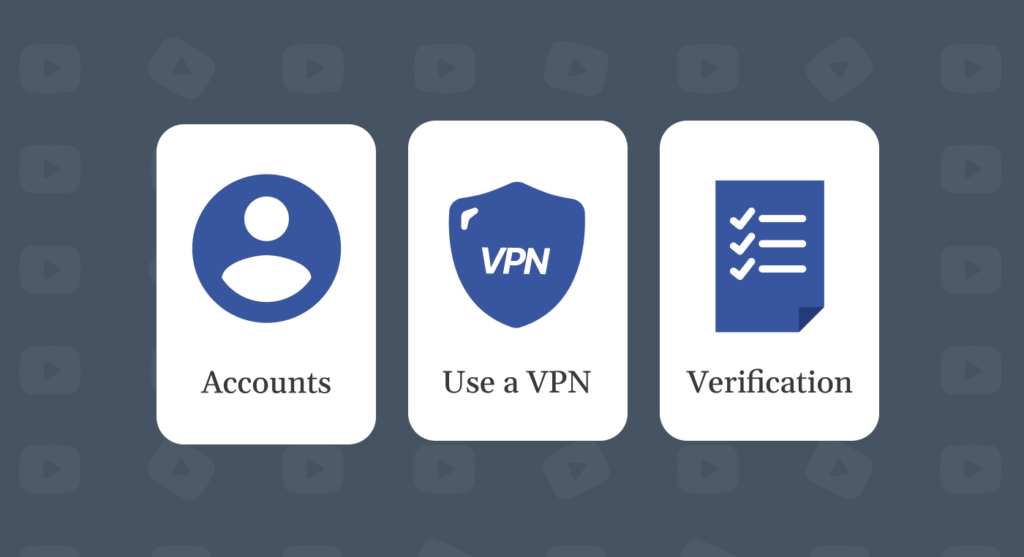
Now that you’ve learnt everything about the ban, let’s look at ways that you can use to avoid it.
1. Subscribe for an Extra Member Account
The simplest and easiest way is to pay for an additional user account. Netflix offers “additional user” slots for people who want to share their accounts with their friends.
These accounts function independently but remain linked to the main account. This makes sure that there remain separate login credentials and personalized viewing profiles for each user.
The catch here is that the amount you spend on purchasing sub-accounts may be enough for you to get a complete subscription plan on alternative streaming sites like Hulu.
You must also know that the sub-account option is unavailable for all subscription plans. It’s for more expensive subscriptions like the Standard and Premium plans. Standard plan members cannot add more than one sub-account, while Premium plans may offer up to two slots. This makes it seem like Netflix encourages you to get a new plan and pay full price.
According to the website, the extra member must live in the same country as the account owner. Plus, there are some other restrictions. For instance, you can only stream on one device at a time, and adding more accounts or devices will cost more.
2. Use a VPN
A VPN masks your location and makes it seem like all the users are accessing the account from the same location. Premium VPNs like ExtremeVPN offer obfuscated servers that make it impossible for streaming sites to detect your VPN usage.
As Netflix actively works to block VPNs, you can bypass these efforts with the obfuscated feature that disguises your VPN traffic as regular traffic. Plus, keep your VPN location similar to that of the household. The platform tracks usage patterns, and you might trigger restrictions with frequent location shifts.
3. Don’t Stream Using Smart TVs and Streaming Devices
Netflix uses device tracking and geolocation to identify password sharing. Because smart TVs and streaming devices don’t move around much, it’s easier for the platform to track their precise location. When a smart TV repeatedly signs into the streaming service outside the main household, that account might be tagged for suspicious use.
Unlike smart TVs that are less mobile, cellphones or laptops frequently change locations. They can also connect to various IPs through mobile networks or public Wi-Fi, making it much harder for Netflix to track or restrict access. You can also use these devices and stay connected in different locations, whether in a coffee shop, office or on the road.
While watching your favorite shows on a smaller screen may not provide the premium viewing experience you desire, it helps you bypass Netflix’s password ban. If you still want the same viewing experience, you can cast your phone or computer screen onto your smart TV. Another alternative is using an HDMI cable.
Another helpful tip is to clear your device history. If you’ve previously used Netflix on a smart TV outside the primary household, log out and remove the device from the account settings.
4. Login with the Netflix Owner’s Wi-Fi
Netflix’s updated password-sharing policy works by identifying a “household” based on the primary Wi-Fi network associated with the account. The site considers devices that frequently log in using the same Wi-Fi network as household devices of the account. So, some users can avoid the ban by frequently logging in via the account owner’s Wi-Fi.
Logging in with the account owner’s Wi-Fi resets location-based restrictions because Netflix counts the device as part of the household. If you want to share an account with a friend, you can visit them and physically connect your device to their Wifi. Then log in to Netflix to access all your favorite shows.
While on the primary Wi-Fi, you can download content for offline viewing to watch later if you’re away or offline. Just make sure to reconnect to the account owner’s Wi-Fi every few weeks or as Netflix directs through its revised verification schedule.
Some users configure travel routers with their Wi-Fi settings in advance, making it easier for remote users to log in from the primary household. This method allows you to use Netflix’s location verification system without being too technical.
5. Share the Access Code
The streaming platform allows users to verify their identity via email or text using the platform’s temporary access codes. You can use this verification system and log in without triggering Netflix’s password sharing alerts outside the household. But how does it work?
When Netflix detects a login attempt from a device outside the primary household, it prompts the account owner to verify the login. This verification involves sending them an access code. Once you enter this code on the new device, it grants you site access. But it’s for a shorter duration, typically for 14 days, and then you have to sign in again.
To make the process smoother, notify the account owner when you expect a verification prompt since the code stays valid for only 15 minutes. Also make sure you receive the code through trusted channels or private messaging. This helps prevent unauthorized access.
6. Auto-forward Verification Email
When Netflix sends out an access code, the account owner has a few minutes to use it for verification. If they are away from their phone when it comes in, the code may expire before they even get to the phone. To prevent this from happening, you can set up auto-forwarding to make the password-sharing process easier.
Auto-forwarding is a feature most email services offer, allowing incoming messages to be forwarded automatically to another email address. If enabled, a Netflix verification email sent to the account owner redirects to a trusted secondary user who must log in.
To set it up, the account owner can log in to the email linked to the Netflix account and navigate to the settings. For example, in Gmail, they can go to settings, click See all settings, and then select Forwarding and POP/MAP. The same process works on other email services.
Now, enter the email address of the person where the verification email should be forwarded. It’s also possible to set up a filter that allows users to forward only Netflix emails. For example, in Gmail, use Create a filter > forward it to. While in Outlook, Use rules > create rule > forward to. Most importantly, remember to secure both email addresses with strong passwords.
How Does Netflix Define Household?
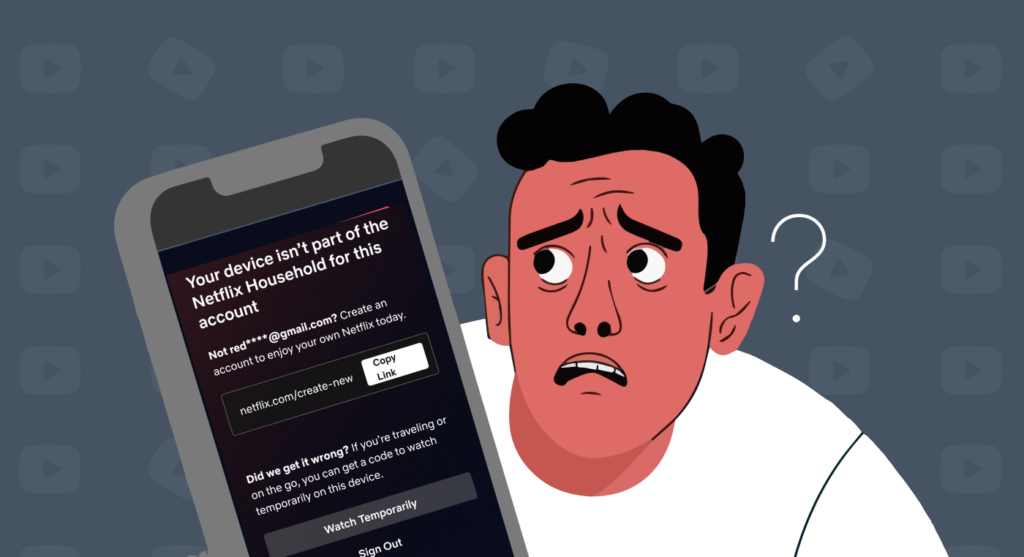
Netflix’s password ban doesn’t apply to members of the same household, so how does the streaming site define household? “You and the people who live with sharing a single internet connection” is how Netflix confirms a household.
If you’re going by Netflix’s household definition, using the same subscription for several devices and people living in that household shouldn’t pose any problem. The streaming platform allows account usage while traveling as long as you stay within the allowed number of simultaneous streams (1-4) based on your subscription. You can also download movies and TV shows for offline viewing.
When traveling, you can still share your Netflix account and password with your household. To do this, log into your account occasionally when connected to the primary account’s Wi-Fi. This helps reset Netflix’s location tracking and avoid restrictions.
Is Sharing Your Netflix Password Illegal?
Technically, sharing your Netflix password is not illegal, although it does go against the company’s terms of service. According to Netflix, an account is for personal, non-commercial use and should be operated by members of the same household. In light of this scenario, sharing login details with anyone outside this household is against these terms and gives Netflix grounds to take action.
The streaming site, however, has a mild take on this situation; you can’t face jail time or legal consequences for sharing passwords with a friend since Netflix doesn’t want to sue thousands of its own users for violating its terms of use. It only suspends or restricts the accounts.
So, what are the legal ramifications of sharing passwords? While against the rules of Netflix, it can hardly be classed as a crime to the general user. Sharing credentials without permission does fall under digital privacy laws in some countries, although this is hardly ever enforced.
While sharing passwords may not be illegal, it does raise ethical questions. The streaming site feels that this practice weakens the platform’s potential to invest in quality content for all users. If you want to share an account ethically, it’s best to stick with the paid sharing options provided by the platform.
Which Countries Does Netflix Password Limitation Affect?
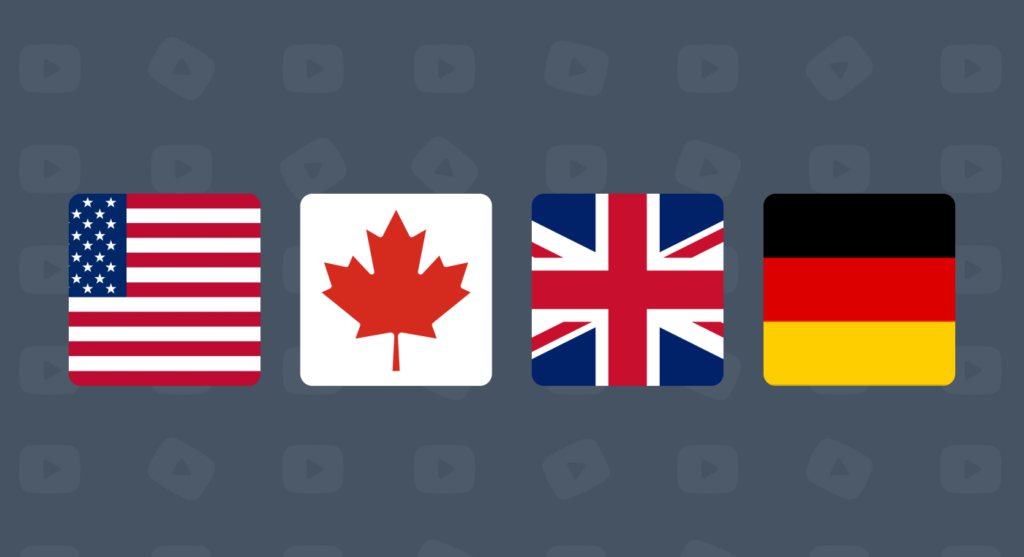
Netflix password-sharing restrictions are imposed geographically. Before rolling it out worldwide, the company tested it in a few countries. It started with Latin America, from countries such as Chile, Costa Rica, and Peru. This was from early 2022.
However, by 2024, the ban was extended to almost all major markets where the service was available. These included the United States, Canada, the United Kingdom, Australia, New Zealand, Germany, France, India, and Japan. This made it a global policy. But there are several countries that experience some sort of leniency.
Netflix is coming on strong and has its eyes set on major markets where password sharing has become the order of the day, with subscriber growth reducing. As expected, the restrictions are quite controversial in regions where people have long shared accounts with family members and friends. Canadian and US users are not left out, as they’ve also complained about the surcharges.
Who is Negatively Impacted by the Password-Sharing Ban?
Although the company is making revenue due to the ban, many people are unhappy with it as it affects the way they used to watch their content.
College students, for example, who depend on their family’s Netflix account now have to stop using the service. Because most of these students already struggle with managing their expenses, Netflix is just an addition to their expenses.
The same situation applies to family members who live apart. Even housemates who use a Netflix account together in shared living situations, like dorms or apartments, are also on the negative side of this policy. The password-sharing ban messes with their movement because they always have to be in the primary location and may find it hard to stream on smart devices.
Low-income households are hit the hardest. They now have to get separate subscriptions for their kids in college or a partner who works away from home. Or they may also decide to stop using the service altogether because of this increasing expense.
FAQs